Art Pays: How Trans Performers Are Killing the Myth That Creativity and Cash Can't Coexist
Somewhere along the way, someone decided that making money and making meaningful work were mutually exclusive. That you had to either sell out or stay broke. That commercial success was the death of artistic integrity. It's a tired story, and trans and non-binary adult performers are done listening to it.
Across the industry, a new generation of creators is building revenue models that don't ask them to choose. They're shooting boundary-pushing content and cashing checks. They're expressing their full, complicated, gorgeous selves and growing loyal fanbases willing to pay for it. The intersection of art and income isn't a compromise — it's a strategy.
The False Binary That Held Creators Back
The idea that artistic work can't be profitable has always been more myth than reality, but it's a myth that hit trans performers especially hard. When you're already navigating an industry that historically flattened trans identity into a narrow fetish category, the pressure to produce what sells — rather than what resonates — was intense.
For years, that meant a lot of performers making content they didn't connect with, for audiences they didn't particularly care about, on platforms that didn't respect them. The burnout rate was brutal. The satisfaction rate was worse.
What changed? A combination of platform diversification, direct-to-fan monetization tools, and a cultural moment where trans visibility — including trans sexuality — became something mainstream audiences were genuinely hungry for. Suddenly, the authentic version of a trans performer's work was the commercial version. The art was the product.
Building the Hybrid Model
So what does a hybrid revenue model actually look like in practice? It's not one thing — it's a layered approach that pulls income from multiple sources without forcing any single piece of content to carry all the financial weight.
Subscription platforms as creative studios. Platforms like OnlyFans and Fansly have given performers something previous generations never had: a direct line to an audience willing to pay monthly for access. The smartest creators aren't just using these spaces to post content — they're treating them like personal studios. They control the aesthetic, the narrative, the pacing. One performer might use her subscription page to document an ongoing creative project, building audience investment over time while generating consistent income. Another might offer tiered access that separates casual fans from hardcore supporters, with higher tiers getting behind-the-scenes creative process content that feels more like art documentation than adult entertainment.
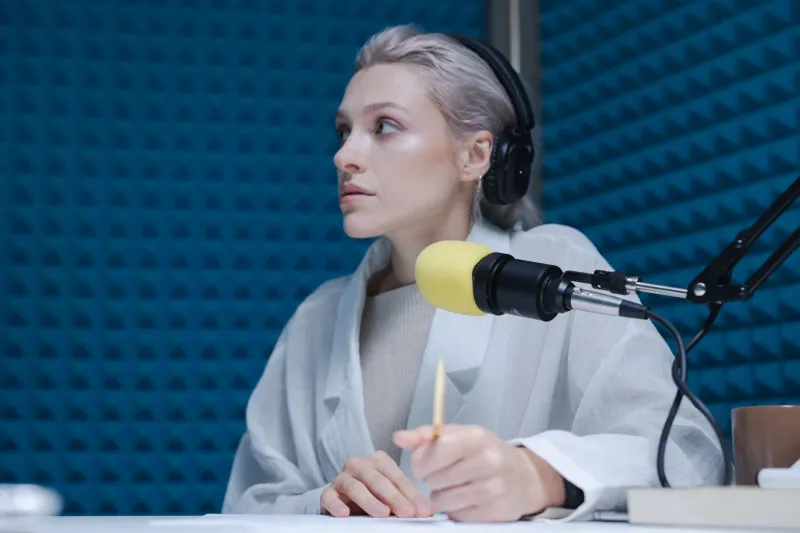
Selling the story, not just the scene. Non-binary and trans performers with a strong point of view are finding that their perspective itself has commercial value. Writing, podcasting, consulting, even public speaking — these aren't departures from adult performance, they're extensions of the same creative identity. The performer who talks candidly about gender dysphoria and pleasure on a podcast builds credibility that drives subscribers back to their content pages. Everything feeds everything else.
Limited drops and collector culture. Taking a page from the art world and streetwear culture, some performers are releasing limited-edition content — photobooks, digital art series, exclusive video collections — that function more like collectibles than standard adult content. These drops create urgency, command premium pricing, and position the creator as an artist whose work has lasting value rather than a content machine churning out product.
The Audience Is Ready
Here's something the old guard of adult entertainment didn't see coming: there's a massive audience that specifically wants the art and the sex, not one or the other. Fans who follow trans performers aren't always just looking for arousal — many of them are looking for connection, representation, and the kind of authentic self-expression they can't find anywhere else.
That audience is willing to pay differently than a traditional porn consumer. They'll buy a $40 photobook. They'll tip generously on a creative livestream. They'll support a Kickstarter for a short film that happens to be explicit. They're engaging with trans performers the way people engage with artists they believe in — with their wallets and their loyalty.
This shift matters because it changes the economics entirely. When your audience sees you as an artist, they're not just buying content — they're investing in you. That relationship is stickier, more sustainable, and frankly more fun to maintain.
Protecting the Vision While Chasing the Check
None of this means selling out is impossible. The pressure to chase trends, cater to whatever's algorithmically favored, or take every brand deal that comes through the DMs is real. Performers who've built genuine hybrid models talk about having a creative north star — a clear sense of what their work is actually about — that helps them evaluate opportunities.
Is this collaboration going to let me make something I'm proud of? Does this platform deal give me enough creative control to stay authentic? Is this custom content request something I can execute in a way that still feels like mine?
Those questions aren't just artistic — they're strategic. Creators who know what they stand for are easier to market, easier for fans to evangelize, and harder for the industry to commodify. Artistic integrity, it turns out, is also good business.
What the Next Wave Looks Like
The performers pushing this model furthest right now aren't waiting for the industry to validate them. They're building their own infrastructure — production companies, creative collectives, merchandise lines, educational content — and treating their adult work as one revenue stream among many rather than the only one.
Some are partnering with queer artists outside the adult space entirely, creating collaborations that blur genre lines and reach audiences who might never have found them through traditional adult platforms. Others are building community-first models, where the content is almost secondary to the sense of belonging they've created for their fanbase.
The through line in all of it is refusal. Refusal to be boxed in. Refusal to accept that making money means making compromises. Refusal to perform a version of trans identity that serves someone else's fantasy at the expense of their own.
Trans and non-binary adult performers didn't just find the intersection of art and income — they built it themselves, on their own terms. And the view from there is pretty damn good.