From the Margins to the Spotlight: How Trans Performers Rewrote the Rules of Entertainment
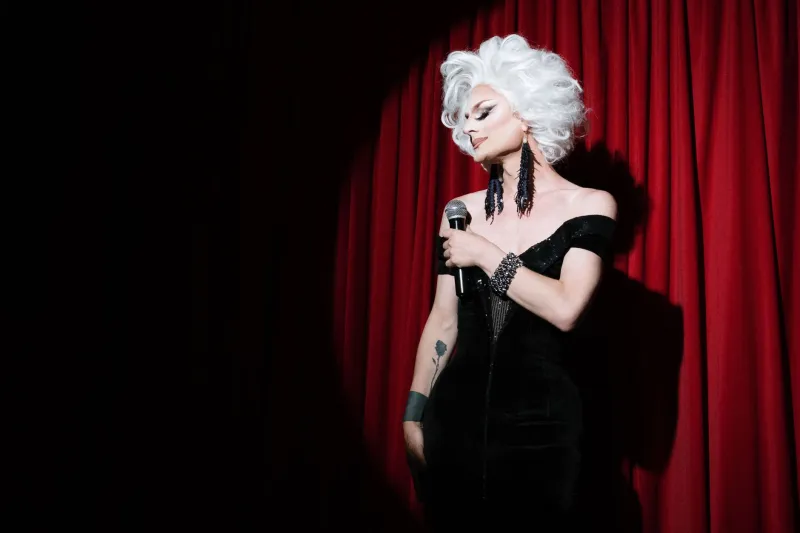
There's a moment in the cultural timeline when a community stops being a footnote and starts being the headline. For transgender and non-binary performers, that moment didn't arrive quietly — it crashed through the door, demanded a seat at the table, and proceeded to redesign the entire room.
We're living inside that shift right now. And if you're paying attention, it's one of the most exciting things happening across entertainment — mainstream and adult alike.
The Long Silence Before the Noise
Let's be honest about where things started. For most of the 20th century, trans representation in American media amounted to punchlines, cautionary tales, or the kind of background-extra energy that made audiences feel edgy without actually challenging them. Think of the countless TV episodes where a trans character existed solely to provoke a reaction in a cisgender protagonist — their own story never the point.
In mainstream Hollywood, trans roles were routinely handed to cisgender actors. The message was clear: transgender people were interesting as concepts but not trusted as artists. That institutional bias ran deep, and it didn't stop at the studio gates. Even in adult entertainment — a space that has always been more willing to push cultural boundaries — trans performers were frequently fetishized without being humanized, their work consumed without their names ever being learned.
The industry had an audience hunger for trans content long before it had the vocabulary or the integrity to honor the people creating it.
Milestones That Actually Moved the Needle
Change didn't happen in one dramatic moment. It accumulated — through individual courage, community organizing, and a slow but undeniable shift in what audiences were actually demanding.
The 2010s became the decade when the conversation went mainstream. Laverne Cox's Emmy nomination for Orange Is the New Black in 2014 wasn't just a personal achievement — it was a cultural signal flare. Here was a Black trans woman not playing a stereotype, not serving as a plot device, but delivering a performance complex enough to earn industry recognition at the highest level. The cover of Time magazine that same year declared a "transgender tipping point," and while that framing was arguably premature, it reflected something real: visibility was accelerating.
Jamie Clayton, Indya Moore, Hunter Schafer, Zaya Wade's public journey — these names became part of the cultural conversation in ways that would have been unimaginable a generation earlier. Behind the scenes, trans writers, directors, and producers began insisting that trans stories be told by trans people. That insistence changed the texture of the storytelling entirely.
In adult entertainment, the parallel evolution was just as significant, if less covered by mainstream press. Trans performers began building massive, loyal followings on their own terms — using social media, subscription platforms, and direct fan engagement to bypass the traditional gatekeepers entirely. They didn't wait for permission. They built their own stages.
Why Authenticity Changed Everything
Here's the thing that industry analysts often miss when they talk about "the rise of trans representation": it wasn't just about quantity of visibility. It was about quality — specifically, the quality that only comes when people are allowed to represent themselves.
When trans performers control their own narratives, the work is different. It carries a specificity, a texture, a kind of lived-in truth that no amount of research or method acting can fully replicate. Audiences feel that difference, even when they can't articulate it. There's a reason why trans-led content — whether it's a prestige drama or an adult film — tends to generate the kind of devoted, passionate fan bases that studios and platforms dream about.
"Authenticity isn't a trend," one industry veteran in the adult space put it bluntly in a recent conversation. "It's what audiences have always wanted. We just finally started letting people be authentic."
That shift in permission has had ripple effects. Casting directors who once defaulted to cis actors for trans roles are facing real accountability. Adult platforms that once treated trans performers as a niche subcategory are recognizing them as headliners who drive significant traffic and revenue. The economics of authenticity are proving themselves out.
The Adult Entertainment Angle Nobody Talks About Enough
Mainstream media gets the think-pieces. Adult entertainment gets the traffic — but rarely the credit for how much cultural groundwork it laid.
The reality is that adult platforms like ours have been showcasing trans talent for years, often before mainstream outlets were willing to touch the conversation. Trans performers in adult entertainment built communities, developed devoted fan followings, and demonstrated market demand at a time when Hollywood was still treating trans identity as controversial. In many ways, the mainstream "discovery" of trans talent is a belated acknowledgment of what adult audiences already knew.
That history matters. It means that when we celebrate trans representation in entertainment broadly, adult content creators deserve to be part of that celebration — not sidelined from it.
What Comes Next
Progress is real, but it's not linear, and it's not finished. Trans performers still face discrimination in casting, pay disparities, and the particular exhaustion of having to educate every new collaborator about basic respect. Non-binary performers often find themselves squeezed out of both trans and cisgender categories, their identities flattened by an industry that still loves a neat binary.
The work ahead involves moving from visibility to genuine equity — making sure that trans and non-binary creators have access to funding, creative control, and institutional support that matches their cultural impact. It means expanding the range of trans stories being told beyond trauma narratives and transition stories, as important as those are. It means letting trans performers be action heroes, comedians, romantic leads, and everything else — not because it's a political statement, but because it's simply accurate to who they are.
The spotlight is wider than it's ever been. The performers stepping into it are extraordinary. And the audience — here and everywhere — is ready.
We've always been ready.